Finding Resilience: My Journey to Empowering Teens and Trauma Survivors
As an LPC Associate, I am dedicated to creating a safe and supportive therapeutic environment where my clients can heal, grow, and gain a deeper understanding of their experiences. I draw from a variety of counseling theories to develop individualized treatment plans that incorporate holistic strategies and practical techniques, supporting each client's personal growth and well-being.
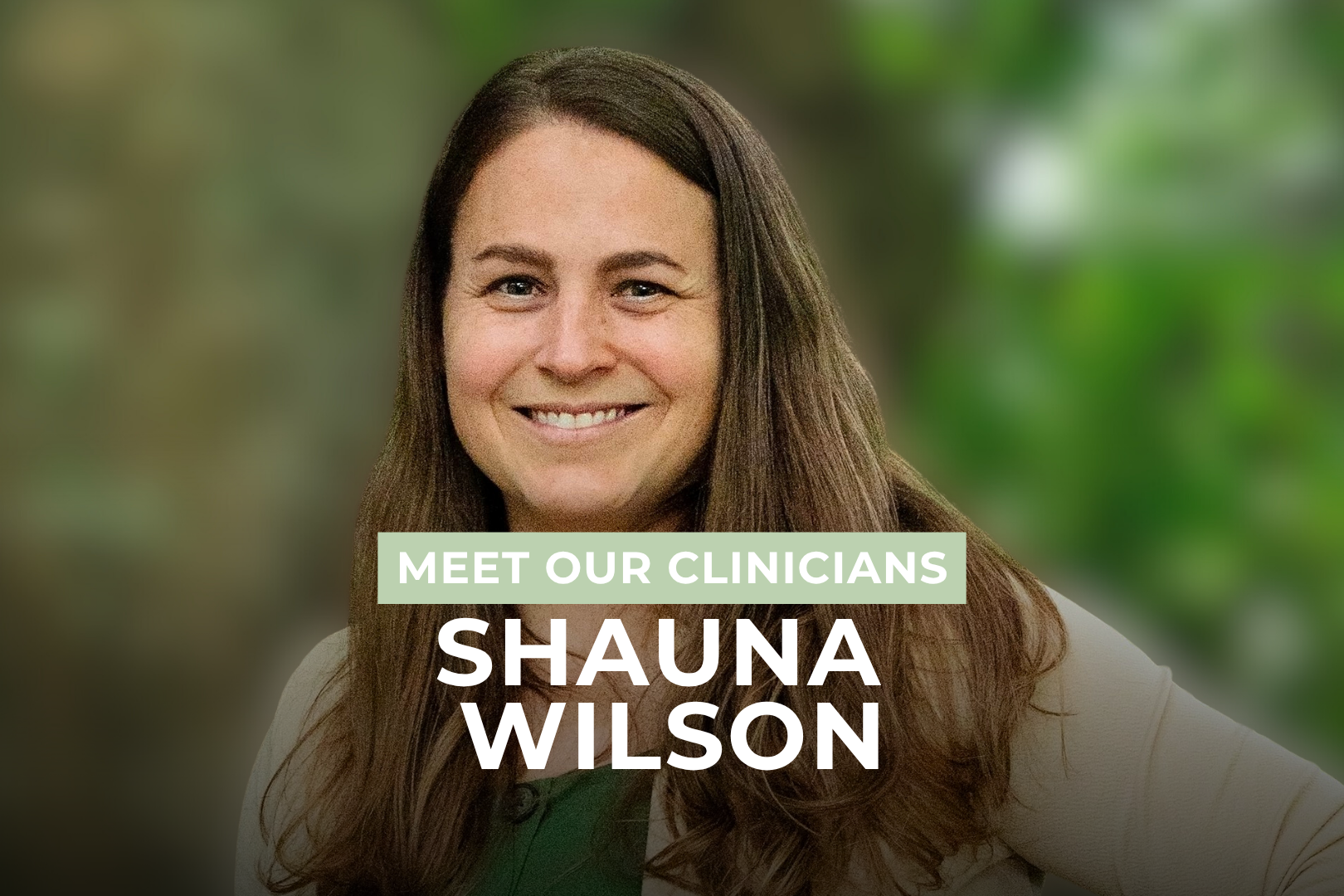
For me, the path to becoming a counselor was profoundly personal. I was drawn to this profession after experiencing a significant personal loss in early adulthood. The counseling I received during that traumatic time was instrumental in helping me heal and regain stability. This experience fueled my desire to support others navigating difficult life experiences. My goal is simple: to help people accept who they are and feel the love they deserve, potentially changing their lives and protecting others.
Areas of Focus: Trauma, Grief, and Teen Support
I specialize in working with clients dealing with a wide range of concerns, including anxiety, depression, parent-teen conflict, behavioral challenges, trauma, grief and loss, LGBTQ+ issues, and other significant life transitions.
I hold a deep commitment to trauma-informed care, grief and loss, sexual abuse, and anxiety. Drawing from both my professional training and lived experience, I am dedicated to helping my clients feel supported, understood, and less alone in their healing process. I know that trauma can significantly impact an individual's life and sense of self, and my role is to help clients recognize their inherent strengths and build resilience as they move toward recovery.
I primarily focus my current practice on working with teenagers, many of whom lack support at home. I strive to ensure my teen clients feel understood and supported, serving as someone in their corner who is fighting for them and reminding them they can overcome their situation.
A Creative Approach to Emotional Expression
In my clinical work, I value creativity as a key component of emotional expression and self-regulation. I often incorporate and recommend art-based therapeutic activities, tailored to each client's needs and preferences, such as:
Journaling
Drawing
Painting
Diamond painting
Other creative crafts
Engaging in these creative processes provides a meaningful outlet for expression, promotes emotional regulation, and offers a sense of restoration and grounding—a powerful tool for reflection and stress reduction. Even with teenagers who may be better suited for traditional talk therapy, I will sometimes use activities like diamond painting to keep them occupied and allow them to look at something else while discussing difficult things. This often helps them feel more comfortable and opens them up to communication.
Insights on the Power of Counseling
In addition to the positive impact counseling has had on my own personal growth, I have witnessed firsthand how therapeutic support can help individuals reclaim a sense of stability and purpose following traumatic experiences. This work allows me to walk alongside clients as they navigate vulnerability and transition, fostering healing, empowerment, and renewed resilience.
When it comes to children and teens, I have seen clients show improvements in behavior, better compliance, and children gaining friendships as a result of therapeutic support. I believe the combination of safely sharing emotions and learning concrete skills, such as mindfulness or anger management techniques, is what leads to these profound positive changes.
Quick Mental Health Tip from Me:
For parents and caregivers, I stress the importance of meeting your child at their level by being present and emotionally available. Put away the phone, focus on the child, and allow them to play the way they want without setting strict rules. When dealing with an upset child, resist the urge to react or dismiss them. Instead, take a moment to understand, saying something like, "I hear or I understand it seems like you're feeling a little upset. Let's talk about it. Let's figure out what's causing this issue."