When Trauma Becomes the Uninvited Guest:
How PTSD Shapes Family Life
When post-traumatic stress first enters a home, it rarely announces itself with a capital-T “Trauma.” It arrives quietly, through a startle at fireworks, a sudden shutdown at the dinner table, or a parent who no longer sleeps in the bed they once shared. At first, families think they’re just “going through a hard season.” Years later, they realize the entire household has quietly reorganized itself around one person’s dysregulated nervous system.
PTSD can be a relational injury. When one person carries it, everyone learns to walk softly, speak carefully, and hold their breath until the danger (real or remembered) passes.
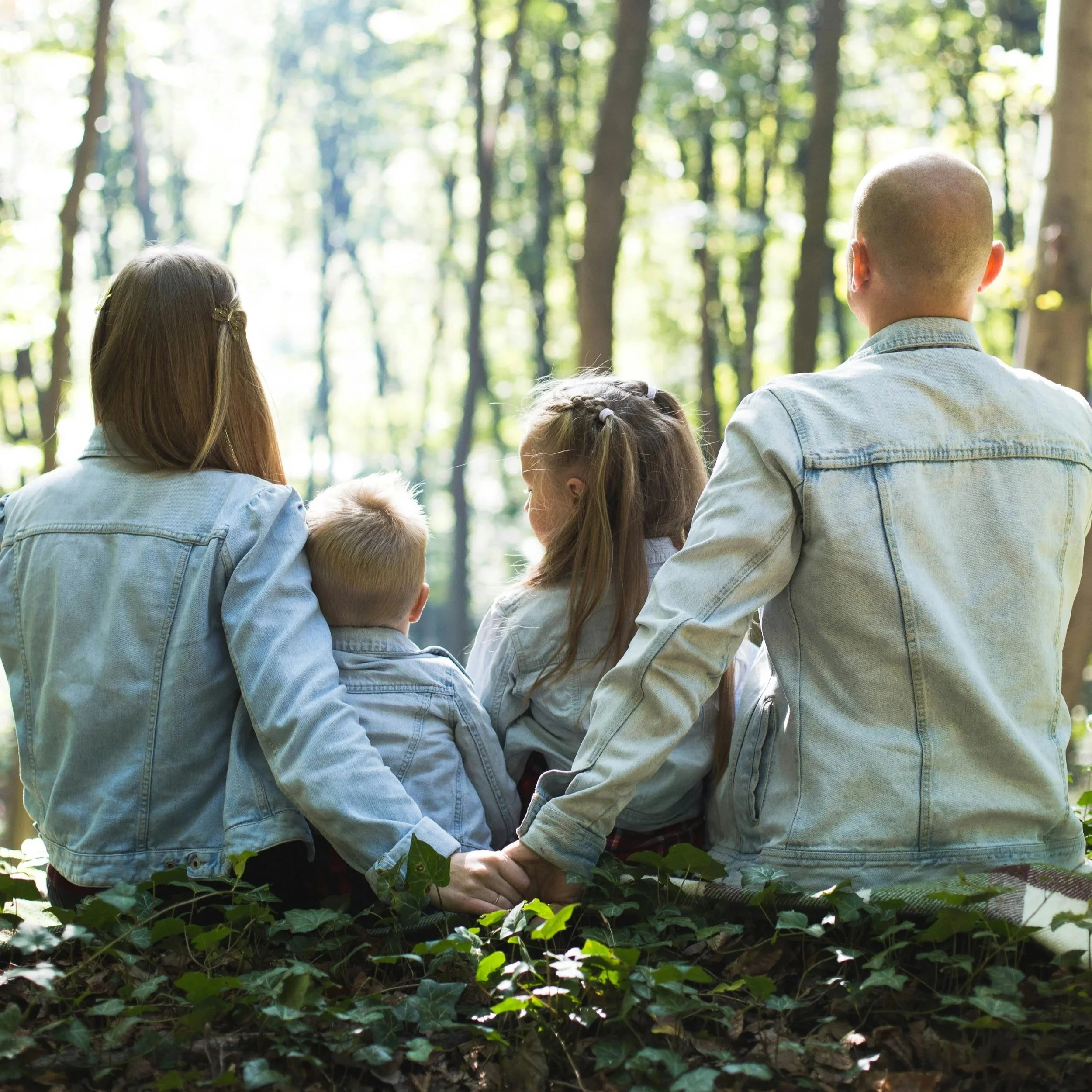
What Is the Impact of PTSD on Families?
PTSD doesn’t stay neatly inside one brain. It leaks into every interaction, reshaping how families connect, communicate, and survive. Common ripple effects include:
● Chronic hypervigilance: Family members start scanning for triggers the way their loved one does—tiptoeing, monitoring tone, canceling plans at the first sign of distress.
● Emotional disconnection: Numbness, avoidance, or explosive anger create distance that feels safer than closeness.
● Role reversals: Children become caretakers, partners become crisis managers, and the person with PTSD often becomes the emotional center around which the entire family system orbits.
● Secondary traumatization: Spouses and kids develop their own anxiety, depression, sleep issues, or somatic symptoms simply from living in a heightened stress environment.
● Intergenerational transmission: Kids learn that love feels unpredictable, that big emotions are dangerous, and that their needs come last.
If your home ever feels like it’s waiting for the next explosion or shutdown, even on calm days, PTSD may be the uninvited guest running the show.
Who Can Benefit from Addressing PTSD Systemically?
Anyone whose family relationships have been reshaped by trauma. Whether you’re a partner walking on eggshells, a parent watching your child grow up too fast (or not at all), a teenager who texts “Code Red” warnings to siblings, or the person with PTSD wondering why everyone seems afraid of you, family therapy can help. You don’t need a perfect understanding of what’s wrong. Noticing that something feels heavy, distant, or unsafe is enough to begin.
What Happens in Family Therapy for PTSD-Affected Families?
Sessions are warm, slow, and fiercely protective of every nervous system in the room. Therapy starts by creating a space where no one has to perform. Together we:
● Map the trauma’s influence: We literally draw how PTSD has changed roles, rules, and boundaries in the family system.
● Externalize the problem: We give PTSD its own chair and name, “The Monster,” “The Fog,” “The War that Came Home”, so the person isn’t the problem; the trauma is.
● Teach co-regulation tools: Simple practices (hand-on-heart breathing together, weighted blankets, scheduled check-ins) that lower everyone’s arousal before we even try to talk.
● Rebuild safety and hierarchy: We help parents reclaim the executive role in the family, give children back their childhood, and let partners be lovers again instead of nurse and patient.
● Process grief and shame: There’s mourning to do, for the family you thought you’d have, for the years lost to survival mode, for the guilt and resentment that built up quietly.
Sessions are trauma-informed, collaborative, and paced to your family’s nervous system—not the clock. We might spend three weeks just learning to sit in the same room without anyone dissociating. That’s still progress.
Overcoming the Weight of Living With Trauma
Without intervention, PTSD teaches families that closeness is dangerous, that needs are burdens, and that peace is temporary. The house stays on alert long after the actual threat is gone.
Elizabeth puts it like this:
“When trauma moves in, it’s like an uninvited guest who rearranges all the furniture and convinces everyone they’re safer sleeping on the floor. Therapy is about politely, but firmly, showing that guest the door, then helping the family remember how to use the beds again.”
Therapy offers a path to turn down the volume of trauma’s voice and turn up the sound of real connection, eye contact that doesn’t scan for danger, laughter that doesn’t end in flinching, touch that feels like home instead of a trigger.
You don’t have to fix this overnight. You just have to decide that the trauma no longer gets the corner office in your family. One regulated breath, one honest sentence, one shared bedtime story at a time, the house can learn to breathe again.