
OUR SERVICES
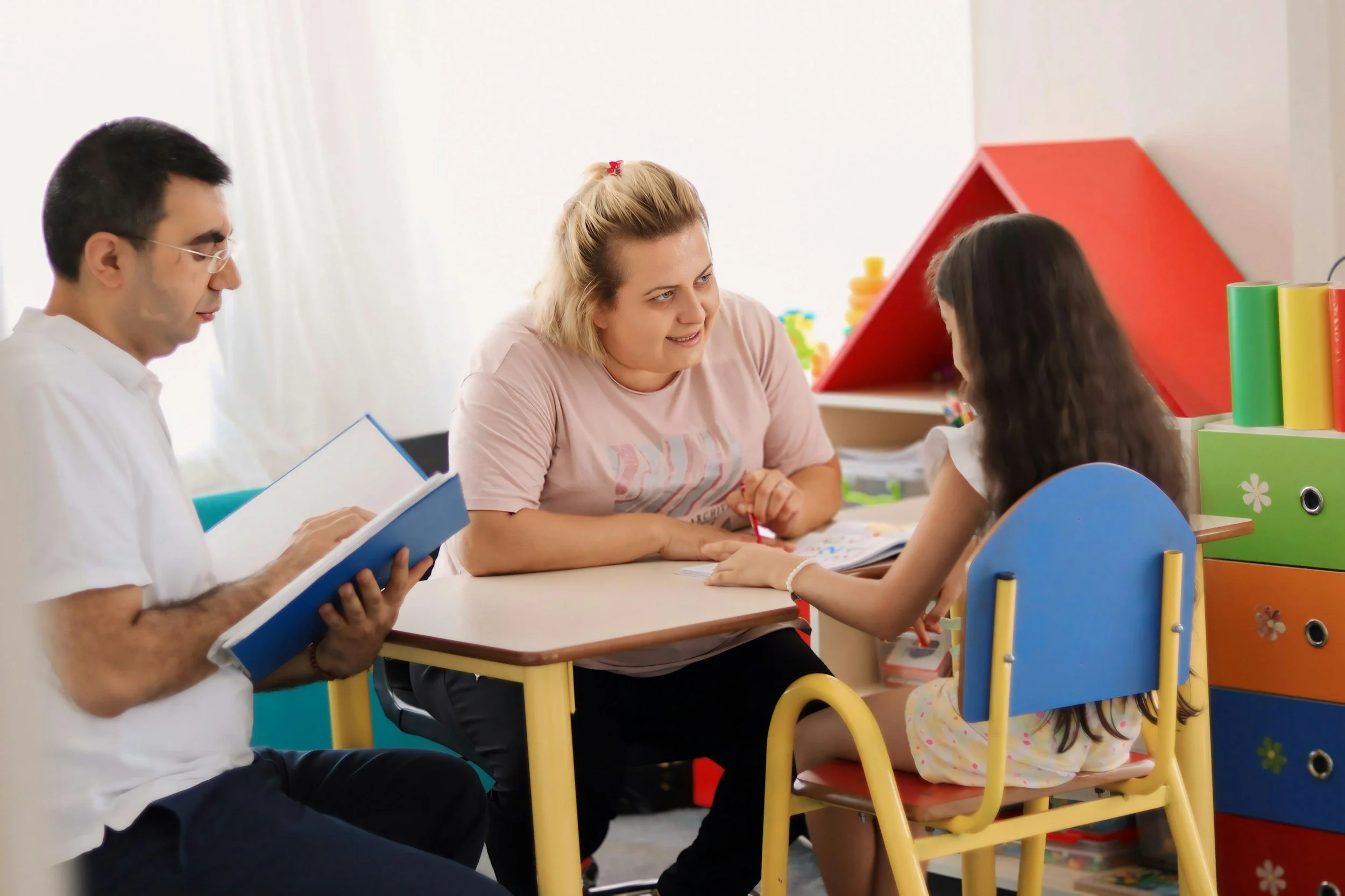
Children’s Counseling & Play Therapy
How Next Chapter Helps Children Thrive
Children’s counseling, including play therapy, is a powerful, evidence-based approach that meets children, preteens, and teenagers where they are.
Rather than expecting children to adapt to adult methods of communication, play therapy uses their natural language—play—to help them process complex emotions and experiences in a safe, supportive environment.
Counseling services available in-person in Rockwall Texas or Virtual.
What is Play Therapy?
Play therapy allows children to express themselves without the pressure of verbalizing complex feelings that they may not yet have the vocabulary to describe. In play therapy, our clinicians operate on the principle that "behavior is communication". During a session, we carefully look for underlying themes—such as safety, control, power, fear, and nurturing—embedded within the child's play to better understand their internal world.
Why Play Therapy vs. Talk Therapy?
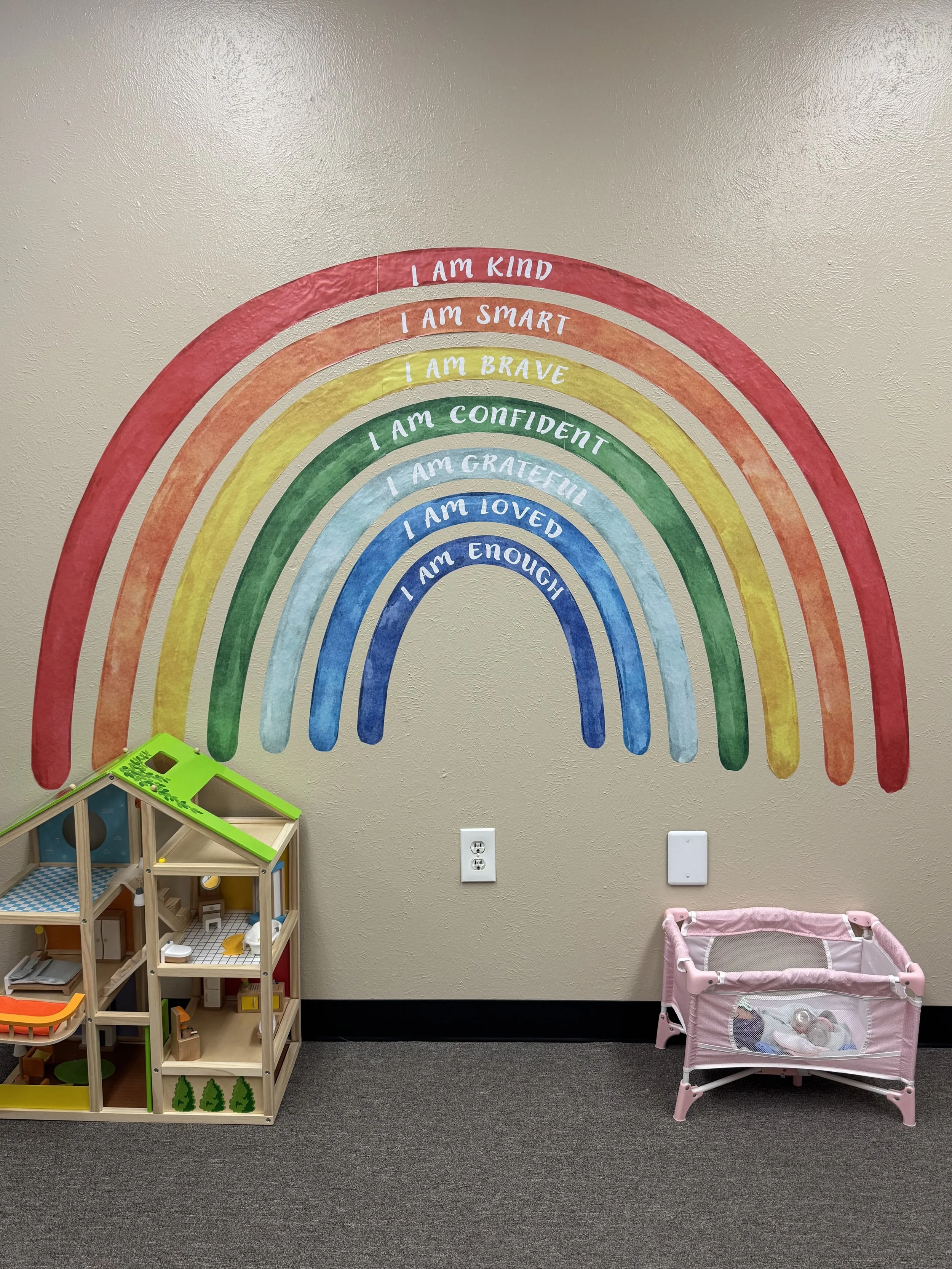
While traditional talk therapy relies heavily on direct verbal expression, play therapy utilizes imagination, creativity, and symbolism. Young children often struggle to sit still for an hour or articulate their internal struggles directly. Play therapy engages them at their developmental level, allowing for deeper emotional processing through hands-on activities, role-playing, and creative play.

Counseling for Older Children & Teens
As children grow, the way they communicate and process emotions changes. Older children and teenagers may be better able to engage in traditional talk therapy, but that doesn’t mean they always want—or need—to sit and talk for an entire session.
Our clinicians meet each client at their developmental level, incorporating conversation, creative activities, movement, or other hands-on tools when helpful. For teens especially, having something to do while talking—such as art or another focused activity—can make it easier to discuss difficult experiences.
The goal is not to force a child or teen into a particular method of communication, but to create a space where they feel comfortable enough to express themselves, develop emotional awareness, and learn skills they can carry into everyday life. Sometimes the most important thing a young person needs is to know that someone is in their corner.
When to Consider Play Therapy
Parents might consider play therapy when a child is facing various developmental or emotional challenges, including:
Behavioral issues or acting out at home or school.
Difficulty making friends or issues like bullying.
Navigating grief, loss, or major family transitions such as divorce.
Social withdrawal, anxiety, or emotional dysregulation.
Practical Tips for Parents
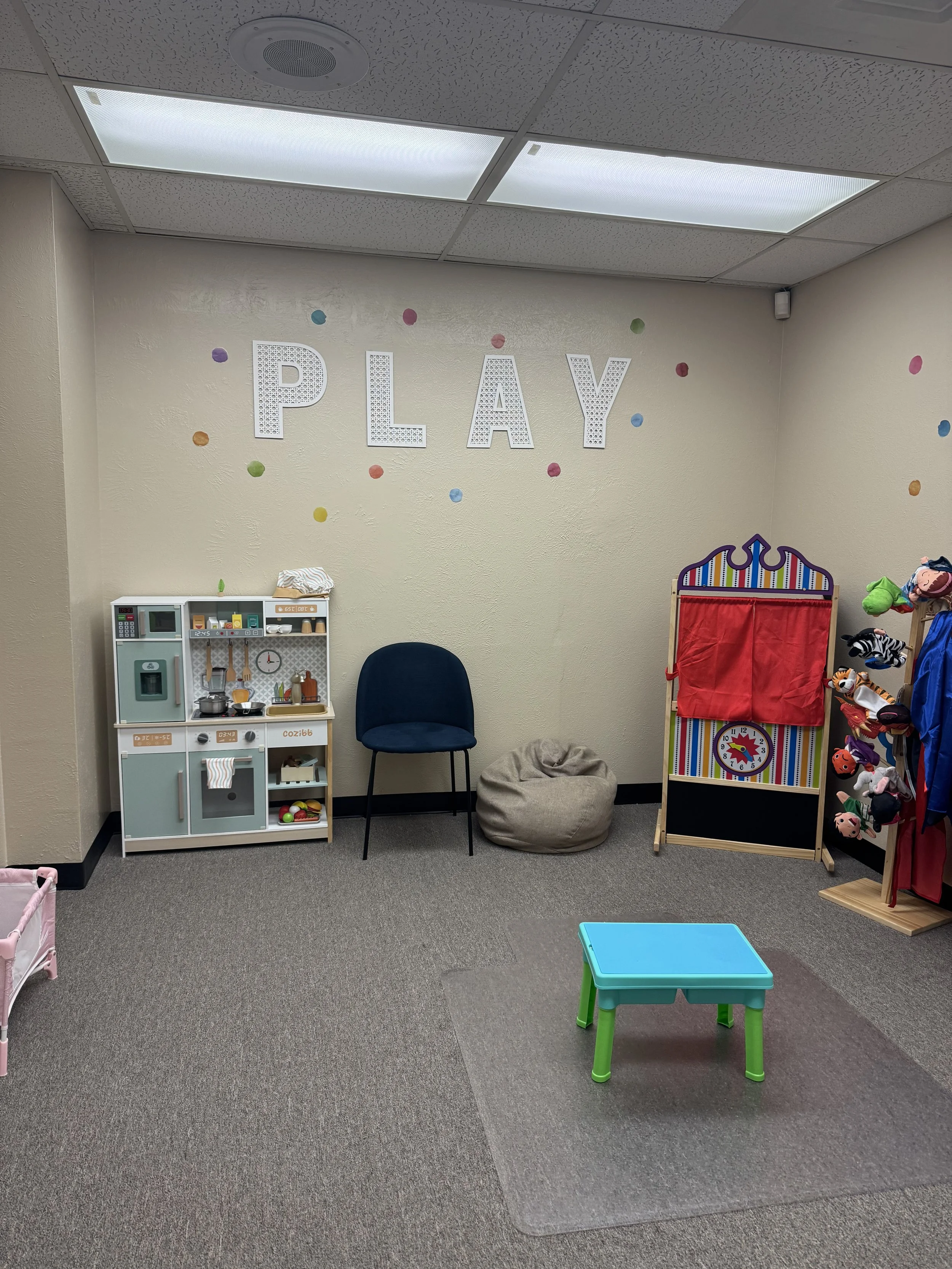
Parents can foster emotional growth and support their child's development at home by adopting a few simple strategies:
Get down on their level: Physically sit with your child during playtime to show full engagement and presence.
Put away distractions: Set aside phones and give your child undivided attention.
Reflect emotions back to them: Validate their feelings by reflecting what you see (e.g., "I can see that you're feeling upset right now"). This helps them build emotional vocabulary and feel truly seen and understood.
Play therapy provides a safe, welcoming space where children can feel heard, understood, and supported. Beyond helping the child, it offers valuable guidance and tools for parents to better connect with and support their children through life's challenges.
