Helping Children and Teens Build Confidence Through Compassionate Care
Meet Brittney Balderas:
At Next Chapter Counseling, we believe that the relationship between a client and their therapist is one of the most important parts of the healing process. That's why we're excited to introduce you to the incredible clinicians who make up our team.
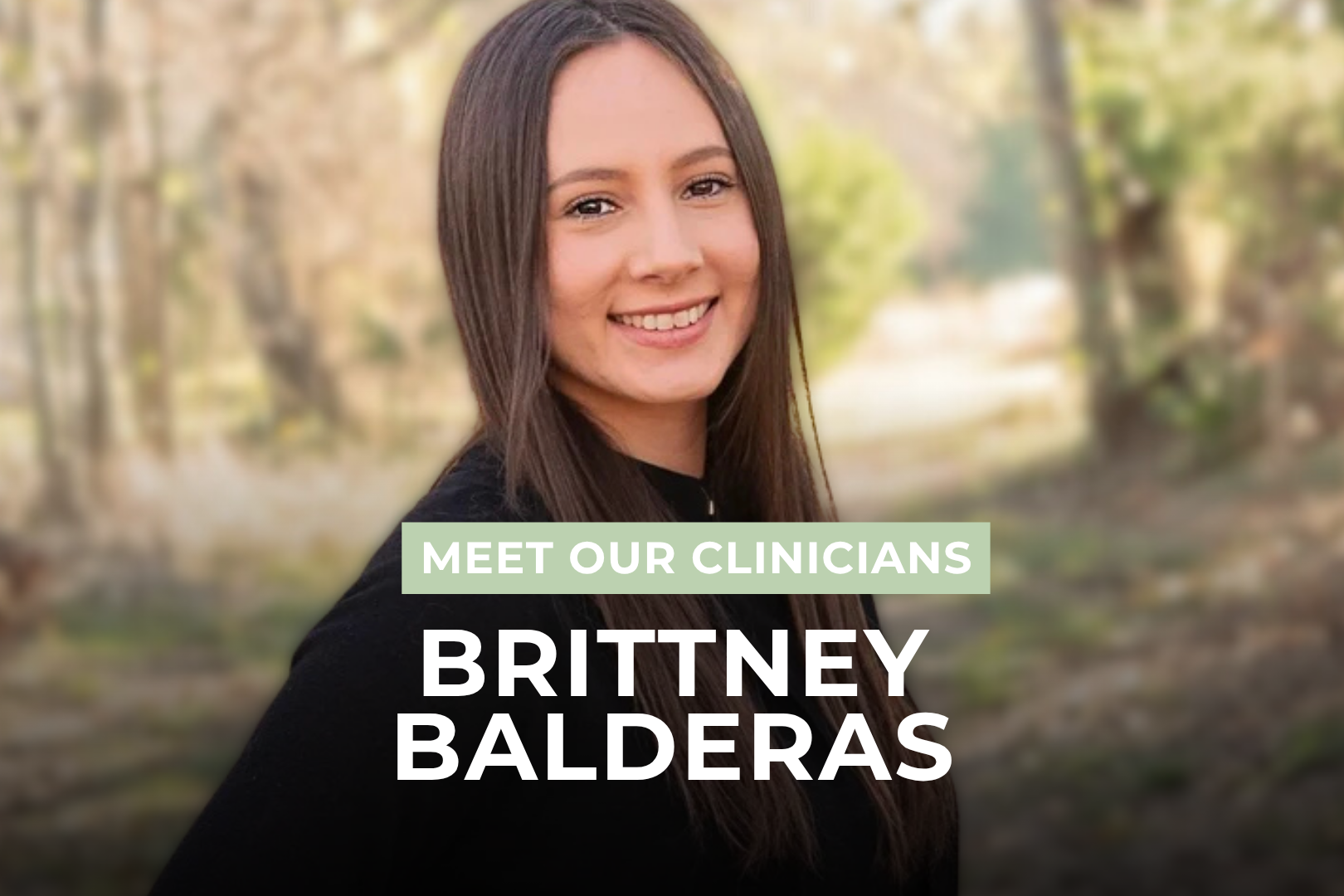
Today, we're highlighting Brittney Balderas, a counselor who is passionate about helping children and teens navigate anxiety, build emotional resilience, and discover confidence in who they are.
A Heart for Helping Young People
For Brittney, becoming a counselor wasn't just a career choice—it was a calling shaped by personal experience and meaningful relationships.
"I saw how deeply anxiety and depression impact everyday life, both personally and in the lives of people around me," she shares.
A mission trip to Croatia became a defining moment in her journey. Spending time with people from different cultural backgrounds broadened her understanding of the unique experiences every person carries and strengthened her desire to provide compassionate, culturally sensitive care.
Her own teenage years also continue to influence the way she connects with clients today.
"I remember navigating identity, comparison, pressure, and mental health struggles as a teenager. That season gave me a heart for children and teens who deserve early emotional support, healthy coping tools, and a safe place to grow."
A Thoughtful, Evidence-Based Approach
Brittney holds a Master's degree in Clinical Mental Health Counseling and is currently completing her licensure hours as an LPC-Associate.
Her counseling style combines warmth, curiosity, and practical tools. She primarily uses a person-centered approach while incorporating Cognitive Behavioral Therapy (CBT) to help clients build healthy thought patterns and coping skills. She also continues expanding her training in Internal Systems Framework (ISF) and Emotional Systems Framework (ESF), approaches that help children and teens explore different parts of themselves with compassion instead of shame.
Her goal is simple: help every client feel understood while giving them practical skills they can use long after counseling ends.
Helping Children and Teens Thrive
Brittney specializes in working with children and adolescents because she knows these early years can shape a lifetime of emotional health.
Supporting Children Through Play
Children often communicate best through play rather than words.
Through play therapy, Brittney helps children process anxiety, family changes, overwhelming emotions, and everyday stress in ways that feel safe and developmentally appropriate. She is passionate about helping young children develop emotional vocabulary, confidence, and self-regulation skills that create lasting resilience.
Walking Alongside Teens
The teenage years come with unique challenges—academic pressure, friendships, identity development, social media, and constant comparison.
Brittney enjoys helping teens:
Manage anxiety
Build self-worth
Develop healthy coping skills
Strengthen communication
Grow into a secure sense of identity
"One of my favorite parts of counseling is watching teens recognize their strengths and begin speaking about themselves with confidence and compassion."
Across all ages, her passion remains the same: helping young people understand their thoughts, emotions, and nervous systems so they feel empowered rather than defined by their struggles.
Watching Lives Change
While protecting every client's privacy, Brittney says some of the most rewarding moments come from seeing small changes grow into lasting transformation.
She's watched children who once experienced frequent emotional outbursts learn to identify their feelings and use coping skills independently.
She's seen teens move from constant self-criticism to genuine self-compassion.
She's also watched clients overcome anxiety that once disrupted sleep, relationships, and daily life, replacing avoidance with healthier communication, emotional regulation, and confidence.
"One of the most powerful transformations is when clients begin understanding themselves more deeply. As they recognize their patterns, strengths, and emotional triggers, they begin forming an identity rooted in awareness rather than fear."
Always Learning
Brittney believes great counselors never stop growing.
“I am deeply committed to continual growth as a clinician, and several authors and educators have meaningfully shaped the way I approach therapy with children and adolescents.
“I value the work of Lysa Terkheurst, whose writing on emotional health, boundaries, and faith has influenced the way I think about resilience and identity. Her work reinforces the importance of addressing shame, comparison, and internal narratives, themes that frequently arise in adolescent counseling.
“The book No Bad Parts by Richard C. Schwartz, informs my understanding of parts-based work. It reinforces the idea that behaviors, even anxious or reactive ones, often serve a protective purpose. This perspective helps children and teens approach themselves with curiosity rather than self-criticism. Instead of asking , “What’s wrong with me?” they begin asking, “What part of me is trying to help?”
“The Body Keeps the Score by Bessel van der Kolk deepened my understanding of how stress affects the brain and body. This work has strengthened the way I incorporate emotional regulation, grounding skills, and body awareness, especially in play therapy and with anxious teens.
“Atomic Habits by James Clear has influenced how I encourage small, consistent behavioral shifts with young clients. Teaching children and teens that growth happens through steady, manageable steps, not perfection, builds both confidence and long-term resilience.
These voices continue shaping an approach that is compassionate, practical, developmentally informed, and grounded in evidence-based care.
One Simple Mental Health Tip
If Brittney could share one skill with every family, it would be this:
"Name it to tame it."
Learning to identify emotions is one of the first steps toward managing them.
For children, this may involve feeling charts, drawing emotions, or noticing where feelings show up in their bodies. For teens, it often includes journaling or simply saying, "I'm noticing I feel anxious right now."
"When children and teens learn to identify and express emotions instead of suppressing them, anxiety often decreases and confidence grows."
It's a simple practice that helps build emotional awareness and lifelong resilience.
Outside the Counseling Office
When she's not meeting with clients, Brittney enjoys staying active and connected with her community.
You'll often find her singing and playing guitar at church, playing soccer, running, working out, traveling to experience new cultures, reading a good book, or spending time with her Australian Shepherd on long walks and adventures.
Looking for Support?
Whether your child is struggling with anxiety, navigating big life changes, or simply needs a safe space to process emotions, Brittney is passionate about helping young people discover hope, resilience, and confidence.
At Next Chapter Counseling, we're honored to walk alongside individuals and families through every chapter of life.