
Why I Became a Counselor — and Why I Still Love This Work
I knew in sixth grade that I wanted to help people through pain. Not fix them. Not rescue them. Just make sure they never had to walk through hard things alone.
Even then, I could see how much healing can happen when someone feels safe enough to be honest about what hurts. Holding space for people in moments of crisis is sacred work, and it still feels that way to me today.
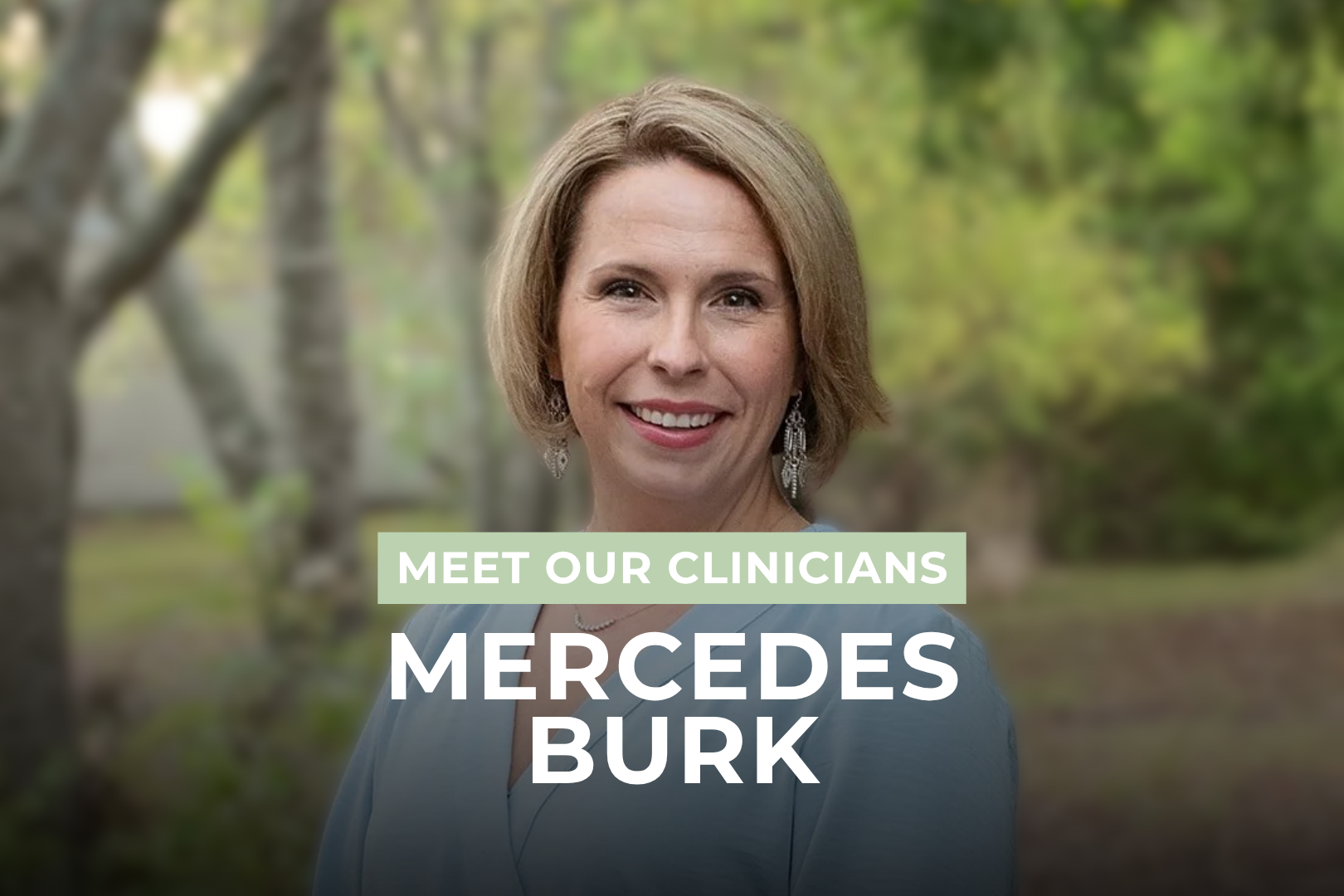
My path into counseling began at East Texas Baptist University, where I earned my bachelor’s degree in psychology with minors in counseling and leadership. I later completed my Master of Arts in Family Psychology at Hardin-Simmons University. After graduate school, I completed my clinical training under the supervision of Dr. George Pate at Sundown Ranch in Canton, Texas.
Over the years, I worked in group practice, stepped into leadership as a clinical director, and eventually opened my own practice after the birth of my first son in 2019. What began as a solo practice has now grown into Next Chapter Counseling — a group practice that includes Associates and Interns whom I now have the privilege of supervising and mentoring.
It has been incredibly meaningful to build something that not only supports clients, but also supports clinicians.
The Areas of Counseling Closest to My Heart
There are several areas of clinical work I care deeply about, but trauma work is especially important to me.
I have completed EMDR basic training and am continuing my education through Internal Family Systems (IFS) training because trauma deserves to be understood with compassion and depth. I once heard someone say, “If trauma was given the respect it deserves, the DSM would be a pamphlet.” That statement has stayed with me for years.
Trauma impacts identity, relationships, self-worth, safety, and even the way people move through everyday life. I have watched clients who once felt trapped by shame and fear slowly begin to experience freedom, clarity, and peace. Helping someone reconnect with who they truly are beneath survival patterns is some of the most fulfilling work I could imagine doing.
Grief work is another area that feels deeply meaningful to me. I often tell clients that grief is not just an emotion — it is an experience. Loss changes people. Whether someone is grieving a person, a relationship, a dream, or a version of life they expected to have, grief touches every part of the human experience.
One of the greatest privileges of this work is watching people discover that joy and grief can coexist. Healing does not mean forgetting. It means learning how to carry loss while still allowing yourself to laugh deeply, love fully, and engage with life again.
I also have a special place in my heart for senior adults. The humility, resilience, wisdom, and life experience I have encountered while working with older adults has been such a gift to me personally and professionally. I genuinely enjoy hearing their stories and walking alongside them through seasons of transition, reflection, and healing.
And more recently, I have stepped into coaching and consulting for other clinicians. Private practice can be incredibly rewarding, but it can also feel overwhelming and isolating. I want therapists to know they can build sustainable, meaningful careers while also having full and beautiful lives outside of work.
The Moments That Stay With Me
People often ask how I know counseling works.
For me, it’s not about dramatic breakthroughs. It’s the quieter moments that stay with me.
It’s hearing a client say, “I didn’t deserve that,” for the very first time and truly believe it.
It’s watching someone hold a boundary they never thought they could express.
It’s seeing a client accomplish something they once believed was completely out of reach.
It’s the pride in their voice after a hard-earned success, the peace that slowly returns to their body, or the deep belly laughs that begin to show up again after seasons of survival.
Those moments are why I do this work.
Always Learning, Always Growing
One thing I value deeply is continuing to learn and grow as both a clinician and a person. Mental health care is constantly evolving, and I believe good therapists remain curious.
Right now, I’ve been especially drawn to Emotionally Focused Therapy (EFT) and Internal Family Systems (IFS). I’m currently reading “No Bad Parts”, and “Atomic Habits” is one of those books I revisit every year.
I also deeply respect the work of Brené Brown, Gary Chapman, and Esther Perel — each of whom has shaped conversations around relationships, vulnerability, connection, and emotional health in meaningful ways.
One Mental Health Reminder I Come Back To Often
One question I routinely ask clients is simple:
“What fun are you having?”
As adults, we often convince ourselves that joy is optional or childish. We prioritize productivity, responsibility, and survival while neglecting pleasure, play, laughter, and rest.
But fun is not frivolous.
Fun is necessary.
We were never meant to live in constant stress and pressure. Joy matters. Connection matters. Laughter matters. Sometimes healing begins by simply remembering what makes you feel alive again.
A Little About Me Outside the Therapy Office
Outside of counseling, I’m a huge fan of 80s and 90s music — honestly, all of it. Give me a throwback playlist and I’m happy.
I’m also a mom to two precious boys, and one of my sons has complex medical needs. Being part of a medical family has profoundly shaped my perspective on life, people, resilience, and compassion. It has deepened my empathy in ways I never could have learned from a textbook or training alone.
At the end of the day, I believe people heal best when they feel seen, known, and safe enough to be honest about their story. That belief is what led me into counseling all those years ago — and it’s what continues to guide my work today.
